






歷史沿革
History
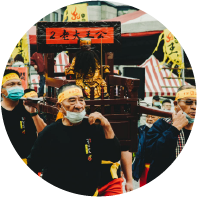
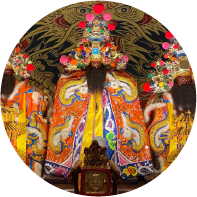
相傳清州賢人廖地於清乾隆五十一年(1786),奉請古公三王渡海來台,
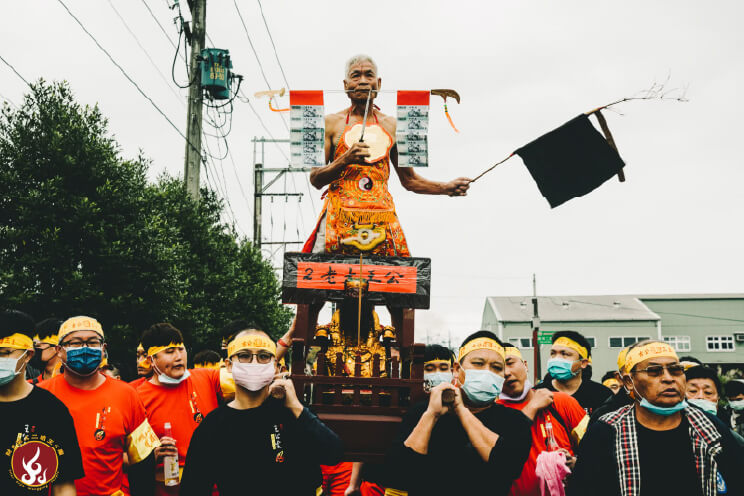
行至蘭陽溪南岸的大榕樹下,王公示意要留在此地濟世,於是二結庄頭有了守護神。
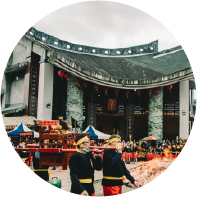
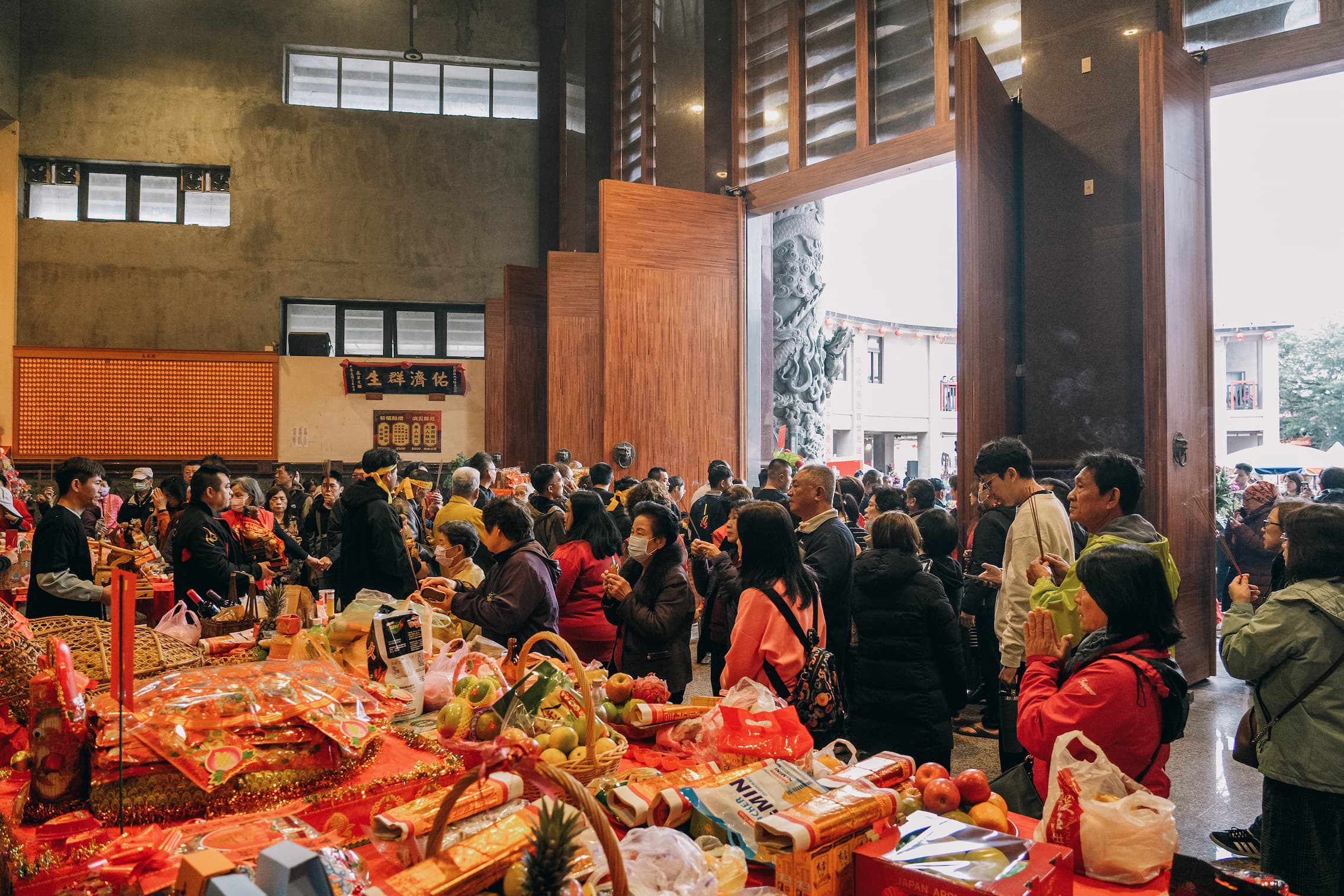
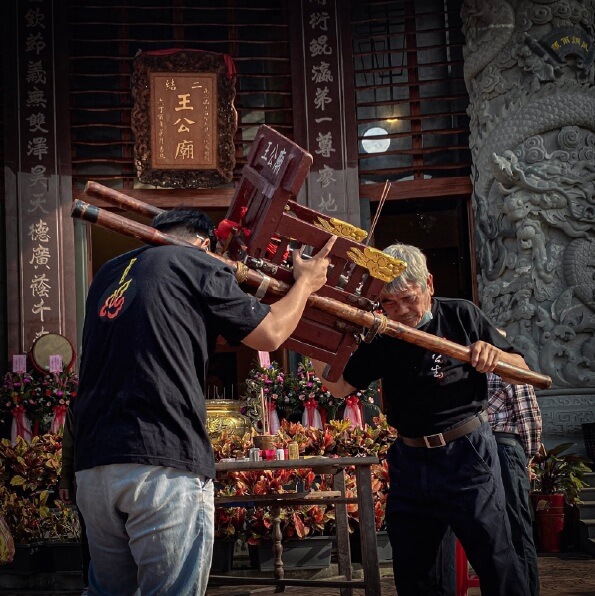
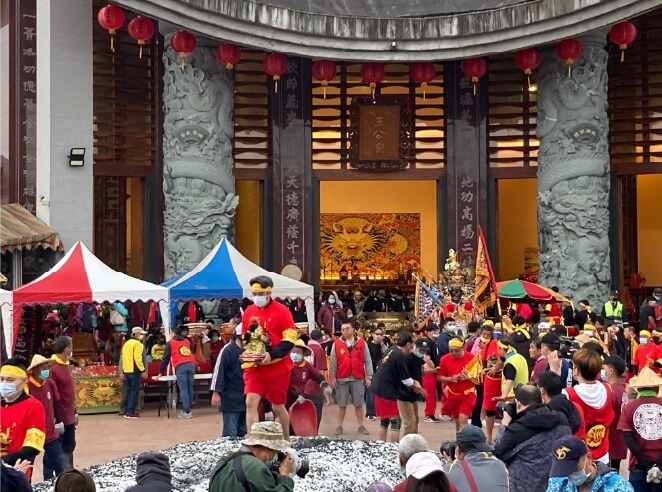
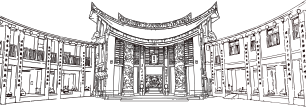
從早年的茅屋聖廟,到日治時期改建瓦頂廟宇,再到今日新廟落成,
舊廟移作「二結庄生活文化館」,王公信仰陪著二結人走過兩百多個年頭,守護著田水與人家。
Legend has it that in 1786 (the 51st year of the Qianlong reign), Liao Di, a sage from Zhangzhou, crossed the sea to Taiwan carrying the statues of the Gugong Sanwang (Three Kings). Upon reaching a banyan tree on the south bank of the Lanyang River, the deities signaled their wish to remain and aid the local people—becoming the guardian gods of the Erjie settlement.
From its humble beginnings as a thatched shrine and its rebuild as a tiled temple during the Japanese colonial era, to the completion of the new temple today, the original structure has been repurposed as the "Erjie Life and Culture Museum." For over two centuries, the Wanggong faith has walked alongside the people of Erjie, watching over their lands, waters, and homes.